
Affordable Healthcare Is a Small Business Issue
Affordable Healthcare Is a Small Business Issue
Open enrollment for 2027 health coverage starts November 1, which means it is once again time for me to stare at health insurance prices and wonder how any of this is supposed to work for a normal family, let alone a small business.
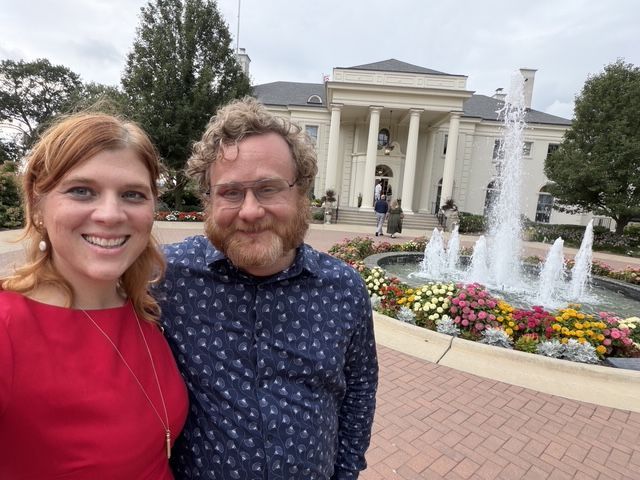
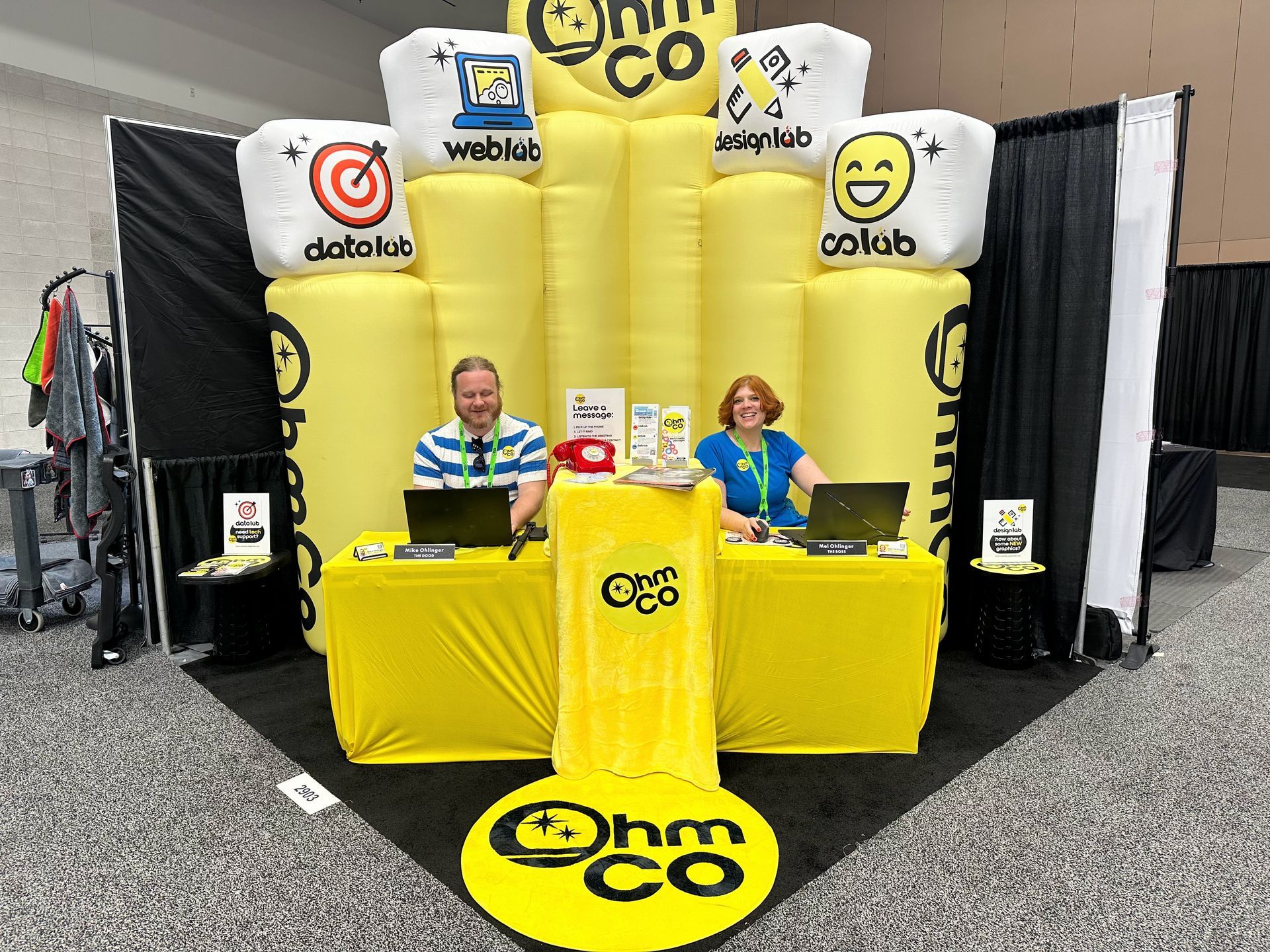
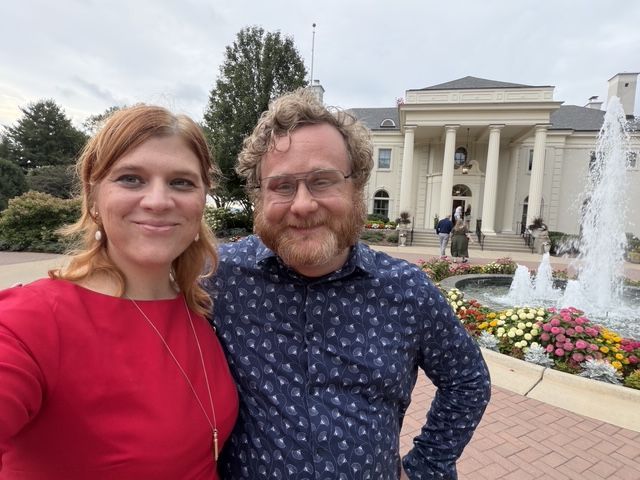
I own OhmCo. My husband, Mike, is my second in command. And like a lot of small business owners, we would genuinely love to offer affordable healthcare to our employees (and for ourselves) but we have not been able to. Not because we do not care, and definitely not because we think healthcare is some optional little perk. We have not been able to because the cost is already too high for employers and too high for employees, and passing the same giant bill back and forth between the two of us is not exactly a solution. Each time we've had a policy they've been completely unaffordable. Our first one cost our employees $5000/month for a single person!
Our own family is a pretty good example of how weird the whole system has gotten. I am a Navy veteran, so I get my healthcare through the VA. That sounds wonderfully simple until you actually need something (It just took me an entire a year to get an MRI). When the VA cannot provide a certain kind of care, I can sometimes go to a community provider instead, provided I tick all the correct boxes (which is another pain in the ass completely) and that has given me a fascinating little peek behind the insane healthcare pricing curtain. I will get a bill showing hundreds of dollars for something, and then the VA negotiates it down and pays something closer to $100. Every time, I am basically sitting there thinking, okay, so was it $800 or was it $100? Because those are very different numbers. If a large payer can negotiate the price down that dramatically, it is hard not to wonder how much of healthcare pricing is just made up somewhere along the way. I picture the insurance dudes just adding zeros to the costs of bandaids, haha. I apply my own bandaid? $2. If the doctors does it? $200.
For the rest of our family, we buy insurance through the ACA marketplace. Mike and our girls are on that plan, and our monthly premium costs more than our mortgage. Which is so crazy. In just a few years it's doubled as well, even though our family has stayed the same size, we're just getting a little older, a little creakier, and have been lucky enough to not have any major or horrific healhtcare issues (knock on wood).
And that would almost be easier to swallow if paying that giant premium meant everything was covered. But of course it does not. Our deductible is more than the cost of many new cars, and we still pay for prescriptions, copays, coinsurance and the mysterious little leftover chunks of medical bills that show up after insurance has already had its turn. And we're too small of a business to qualify for any type of HSA. It doesn't stop me from trying to sign us up every year, but every year we are denied. Yet again.
So the monthly premium is not really the cost of healthcare. It is more like the cover charge to get into the healthcare club. Then you still have to pay once you are inside. Our teenager has just started experiencing this for the first time. She went to the doctor to get her foot looked at. They sent her a referral for someplace else. Afterwards she got four different bills for someone to look at her foot and say she's fine enough. She was so angry. And I get it. It's crazy. Plus, she's got two different health insurance plans and everything is STILL not covered. THat should never happen.
That is the part I think gets lost when people talk about healthcare policy like it is some giant abstract economic puzzle. Small business owners are not sitting on piles of extra money waiting to absorb another premium increase. Employees obviously are not either. The economy is kicking everyone's butt right now and our community in particular is still dealing with repairs from the tornados. All of everyone's backup savings are depleted. And we're looking at csots going up, again. And if costs keep going up, asking employers to pay more hurts growth, and asking employees to pay more hurts families. We cannot keep solving the problem by deciding which group gets hit with the bill this time while we have healthcare CEO making millions of dollars every year. I recently found out that the CEO of Uniuted Healthcare makes $20,201,746 a year in total compensation. And their parent company CEO makes $60,938,062. i'm not even sure how to say those numbers out loud.
For a company like ours, healthcare costs affect everything. Our CEO does not even pay herself six figures — we live pretty quietly, and she is a stingy one, haha. But the way I look at it, every dollar going toward inflated healthcare costs is a dollar that could have gone toward hiring another person, giving someone a raise, investing in new equipment, adding services, making our technology for carwashers even better, or just building a little more breathing room into the business so we can afford to bank at the good banks.
At the same time, we are competing for employees against huge companies that can spread healthcare costs across hundreds or thousands of people. We can compete on flexibility, culture, opportunity and actually knowing the names of the people we work with, but healthcare is a very different game when you are small. Honestly, it is barely a fair game at all. The big companies have all the toys in the sandbox, and we are over here offering our employees a really nice pile of sand.
That is one reason I really support ideas that would let small businesses buy into a state healthcare program. I have been really happy to hear every candidate for governor (with the exception of Tom Tiffany) offered some kind of idea or solution around healthcare for small businesses, because this is SO important to our economy. And the idea feels pretty obvious. If the state is already managing a huge pool of people and negotiating rates at scale, why in the world can small businesses not buy into that too? It feels a little crazy that this is not already a normal option. Small employers need access to the same kind of purchasing power that giant companies and government programs already have. Giving us that option could make it easier to hire, easier to retain good employees and a whole lot easier to grow. Which makes everything that much better for Wisconsin and Wisconsin famillies.
And while we are at it, yes, I would absolutely like to see the ACA cost reductions come back. I would also support a universal healthcare option that gives the government enough scale to negotiate costs down instead of all of us individually trying to fight with a system that clearly has way more negotiating power than we do.
We pay a lot in taxes at the federal, state and local level, and then somehow we are still paying enormous amounts just to have access to healthcare. At some point, it is fair to ask what exactly we are getting for all of that money? And why does healthcare remain one of the biggest financial threats to both families and small businesses?
The frustrating part is that these costs do not stay neatly inside the healthcare system. They show up everywhere. They show up in hiring decisions, wages, family budgets, business growth and whether someone decides they can afford to leave a corporate job and start a company in the first place. If we really want more people starting businesses, creating jobs and building strong local economies, affordable healthcare cannot be treated like a side issue. It is part of the economic infrastructure.
I do not think the answer is simply making employers pay more, and I do not think the answer is asking employees to absorb even more either. We need to lower the actual cost of care, give small businesses better buying options and use larger pools to negotiate prices down.
And honestly, part of me still thinks Costco is going to swoop in with some weirdly affordable family healthcare plan before anyone else figures it out. They are already selling tires, vacations, hearing aids and giant tubs of peanut butter. At this point, why not healthcare too?
For me, this is not just a healthcare issue.
It is a small business issue, a family issue and an economic growth issue. We will absolutely be paying attention to the people running for office who make this a real priority, because goodness knows it is a priority for us.
SHARE ONLINE